

I see you.
I see you waking up before dawn, already carrying the weight of everyone else's world. I see you being the glue, at work, at home, in your family, while your own needs whisper quietly in the background, waiting for a moment that never comes. You have forgotten about practicing self-care for so long!
There is a moment many women recognize but rarely talk about.
There is a quiet moment many women recognize.
It usually happens early in the morning when the house is still and the day has not yet begun asking anything from you.
You sit there for a moment thinking about everything you must carry today.
Work. Family. Responsibility. Expectations.
And then you feel it.
A heaviness that has been building slowly for years.
Burnout.
For many Black women over forty, burnout does not arrive suddenly. It grows quietly through years of caregiving, emotional labor, and the expectation that you will always be the strong one who holds everything together.
You become reliable.
Dependable.
Unbreakable.
And somewhere along the way you forget what it feels like to be cared for yourself.
The Silent Reality Of Burnout For Black Women
Burnout does not always look dramatic.
Most of the time it looks like competence.
You wake up. You manage responsibilities. You solve problems before they become emergencies. You show up for everyone around you.
People admire your strength.
They respect your resilience.
But inside something feels different.
Burnout often shows itself as quiet depletion rather than visible collapse.
Your energy fades.
Your patience shortens.
Rest does not feel like enough.
Many women eventually discover that burnout rarely comes from a single moment of exhaustion. It grows from emotional patterns that quietly repeat for years. If this resonates, you may recognize several of the dynamics explored in 5 Emotional Patterns That Keep Grown Women Stuck in Burnout and How to Break Them, where we look closely at the habits that slowly turn responsibility into emotional exhaustion.
Many women begin recognizing this pattern when they start reading about Strong Black Woman Burnout The Complete Recovery Guide, which explains why so many capable women slowly find themselves overwhelmed by the emotional weight they carry.
When Caregiving Slowly Turns Into Burnout
Caregiver burnout rarely begins with a single event.
Instead it grows from years of small responsibilities that accumulate until they reshape your life.
You help a family member through a crisis.
You support children through school and life challenges.
You become the dependable one at work.
You check on everyone else before checking on yourself.
At first it feels natural.
Later it begins to feel heavy.
Burnout appears quietly inside those responsibilities, especially when caregiving continues for years without emotional space to recover.
Eventually a deeper question begins to surface.
Who was I before everyone needed me?
That reflection is explored more deeply in Strong Black Woman Burnout Who Were You Before Everyone Needed You, which invites women to reconnect with the parts of themselves that existed before caregiving roles took over their identity.
When Strength Quietly Becomes Burnout
Many Black women were raised with a clear message.
Be strong.
Handle everything.
Endure whatever life brings.
Strength becomes part of your identity.
But strength without rest eventually becomes burnout.
The body reacts first.
Sleep becomes lighter.
Stress levels remain high.
Fatigue becomes constant.
Emotional exhaustion slowly replaces the resilience you once relied on.
Burnout is not a sign of weakness. It is often the natural result of carrying responsibilities that were never meant to be carried alone.
My Personal Experience With Burnout
There was a time when burnout slowly took control of my life.
After losing my mother, my role in the family changed overnight.
I became responsible for helping raise my nephews and niece while also managing my own grief, work obligations, and the emotional responsibility of holding everything together.
People assumed I was strong enough.
No one asked whether burnout had already begun affecting me.
For a long time I kept moving forward because that is what strong women do.
But burnout does not disappear when ignored.
It grows.
Eventually the body and mind begin sending signals that something must change.
The Moment Burnout Forced Me To Reflect
My turning point arrived quietly.
One morning I opened a notebook and began writing honestly about how I felt.
Just a few sentences.
Simple words.
But those words created space for something new.
For the first time I acknowledged my burnout instead of pretending everything was fine.
I admitted that I was exhausted.
I admitted that I needed room to process grief, responsibility, and emotional pressure.
Those early reflections became the beginning of healing.
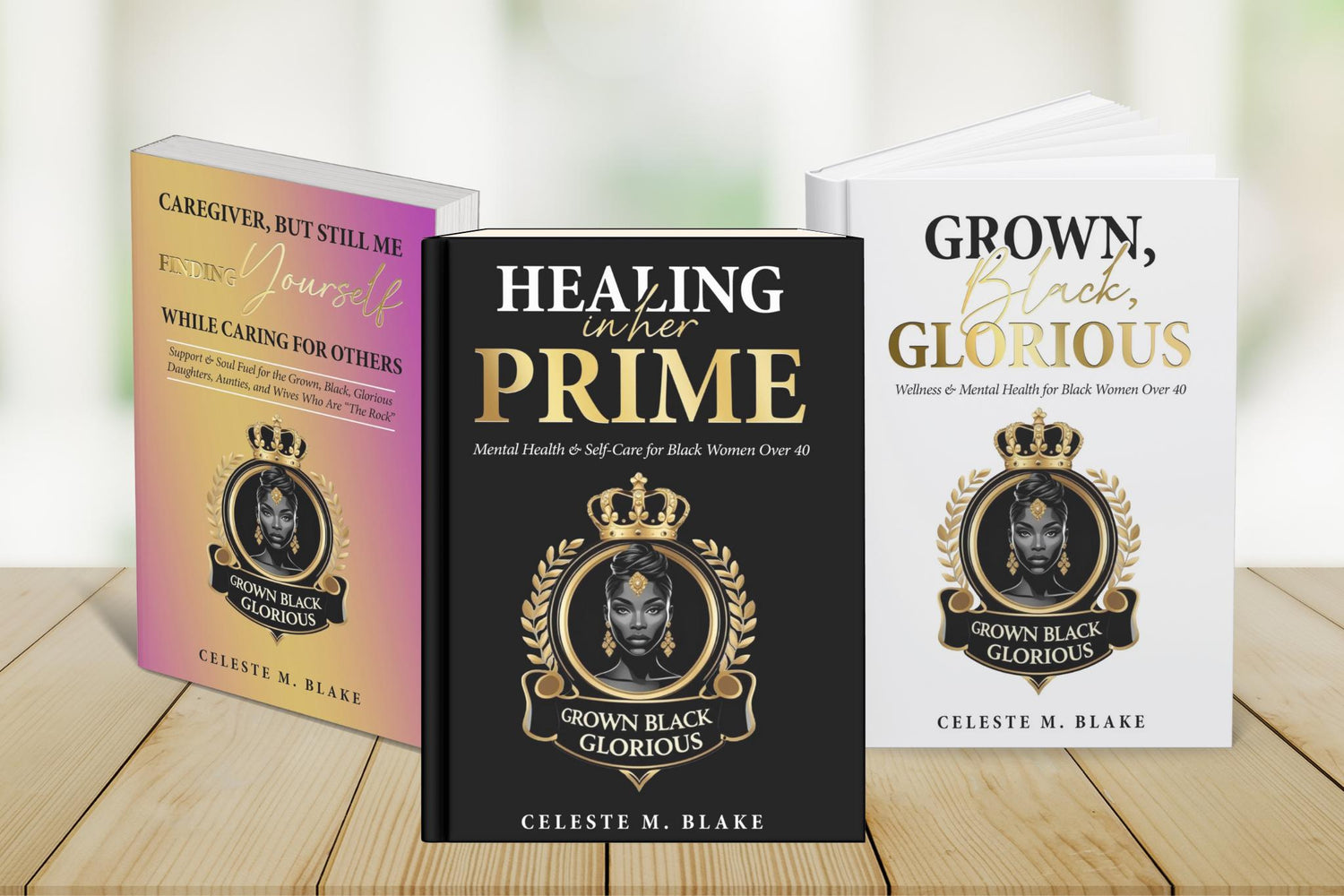
Over time that journaling process developed into the guided reflection journal Caregiver But Still Me Finding Yourself While Caring For Others, created for women navigating caregiver burnout while trying to rediscover their own identity.
What Real Self Care Looks Like During Burnout
Self care is often misunderstood.
It is not only about relaxation or occasional breaks.
Real self care begins with awareness.
You recognize that burnout has been shaping your life.
You acknowledge that your needs deserve attention.
You allow yourself moments of rest without guilt.
Sometimes self care is a walk.
Sometimes it is five quiet minutes with a journal.
Sometimes it is simply saying no when you would normally say yes.
Each of these small decisions slowly reduces the pressure of burnout and allows healing to begin.
Healing From Burnout Changes Everything
When burnout begins to lift, life feels different.
Energy returns slowly.
Clarity follows.
Relationships become healthier because they are no longer fueled by exhaustion.
Many women notice something surprising when burnout fades.
Creativity returns.
Joy returns.
Possibilities that once felt distant begin to feel real again.
Healing from burnout is gradual. But every step forward rebuilds the parts of you that burnout once covered.
Rediscovering Yourself After Burnout
One of the most meaningful parts of burnout recovery is rediscovering identity.
Many caregivers forget who they were before responsibility took over their lives.
You become the reliable one.
The organizer.
The helper.
The problem solver.
But underneath those roles there is still a person with dreams, curiosity, creativity, and personal desires.
Burnout hides that identity.
Healing reveals it again.
A Simple First Step Toward Healing
If burnout feels familiar today, begin with something small.
Five quiet minutes.
A simple question.
What do I need today that I usually ignore?
Sometimes the answer is rest.
Sometimes it is space.
Sometimes it is support.
Recognizing those needs is the first step toward reducing burnout and rebuilding balance.
Frequently Asked Questions About Burnout And Self Care
Why do many Black women experience burnout?
Many Black women manage multiple responsibilities including family caregiving, professional work, and community support. Over time these combined pressures can contribute to emotional exhaustion often described as burnout.
How can I tell if I may be experiencing burnout?
Journaling can create a private space to process emotions, identify patterns of exhaustion, and reconnect with your needs. Many caregivers find that guided reflection makes it easier to understand what they are carrying emotionally. Resources like the Caregiver But Still Me reflective self-guided journal provide structured prompts designed specifically for women navigating caregiver burnout.
Can journaling help with burnout?
Many people find journaling helpful because it creates space to process thoughts and emotions. Writing regularly can support self reflection and awareness, which are often helpful steps when someone feels overwhelmed or emotionally exhausted.
What is a simple first step when feeling overwhelmed?
Some people begin by creating small moments of reflection during the day, such as journaling, quiet breathing, or taking short breaks. These small steps can help individuals better understand what they need and when they may benefit from additional support.
Burnout Does Not Have To Define Your Life
Burnout among Black women is real.
But burnout does not have to define your future.
Healing is possible.
Balance is possible.
A life that includes peace alongside responsibility is possible.
When women begin reclaiming their energy, identity, and emotional space, burnout slowly loses its grip.
And something stronger replaces it.
Strength that includes rest.
Confidence that includes boundaries.
And a life that finally includes you.
A Note Before You Go, Sis
This space was created with care, intention, and deep respect for the experiences many Black women carry. The reflections, stories, and tools shared here are offered for educational and inspirational purposes only.
They are not medical advice, psychological treatment, psychiatric care, or therapy, and they are not intended to replace the guidance of licensed professionals.
I am not a licensed medical provider, therapist, psychologist, psychiatrist, or mental health professional. The content on this site is meant to support reflection and personal growth, but it should not be used as a substitute for professional evaluation, diagnosis, or treatment.
If you are experiencing severe emotional distress, trauma, or mental health challenges, reaching out to a qualified healthcare or mental health professional is an important and supportive step. Professional care is not separate from healing, it is often a powerful part of it.
By engaging with this content, you acknowledge that it is shared for informational and inspirational purposes and that personal decisions about health, wellbeing, and care should always be made with the support of appropriate professionals when needed.
You deserve compassion, support, and every resource available to help you heal and grow.
---

With warmth and faith in your journey,
Celeste M Blake
Founder of Grown Black Glorious
Creator of Black Men in Partnership - an initiative of Grown Black Glorious